

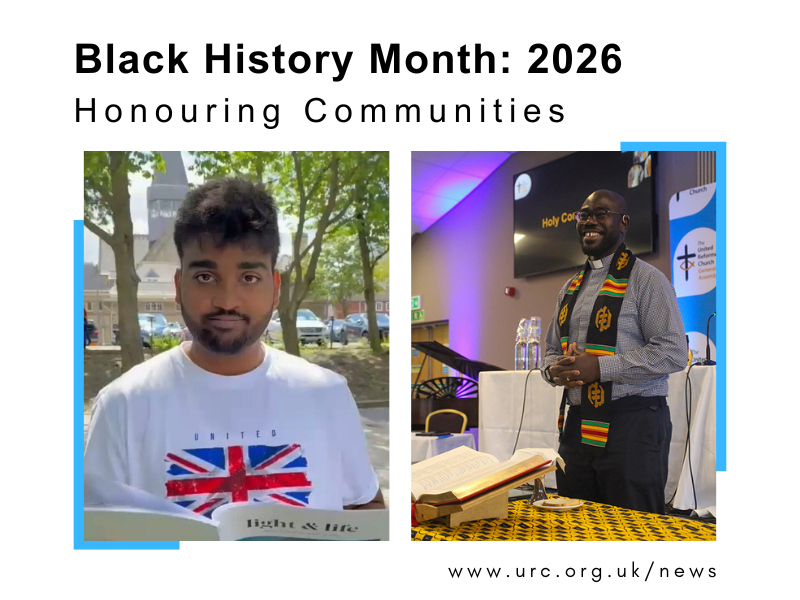
For Black History Month 2026, a variety of Global Majority United Reformed Church (URC) ministers share their personal perspectives around the theme of “Honouring Communities”.
In this reflection, the Revd Stephen Ansa-Addo, Minister of Park, Hungerford and Thatcham URCs in Berkshire, shares his thoughts about the word “community”, while Alvin Ponnudurai, Northern Synod Representative to the National URC Youth Executive Committee and Youth Apostle at St James’s URC in Newcastle upon Tyne, reflects on the difference between welcoming and allowing people from a variety of backgrounds to truly express and use their talents and gifts:
Stephen
When I hear the word “community”, I think first of people.
People really matter to me. I belong to many communities, connected through ethnicity, faith, theology, music, food, gaming, anime, books and much more. At community kitchen and coffee mornings, I see something of this lived out around tables, where food and drinks create space for conversation, relationship, dignity and belonging.
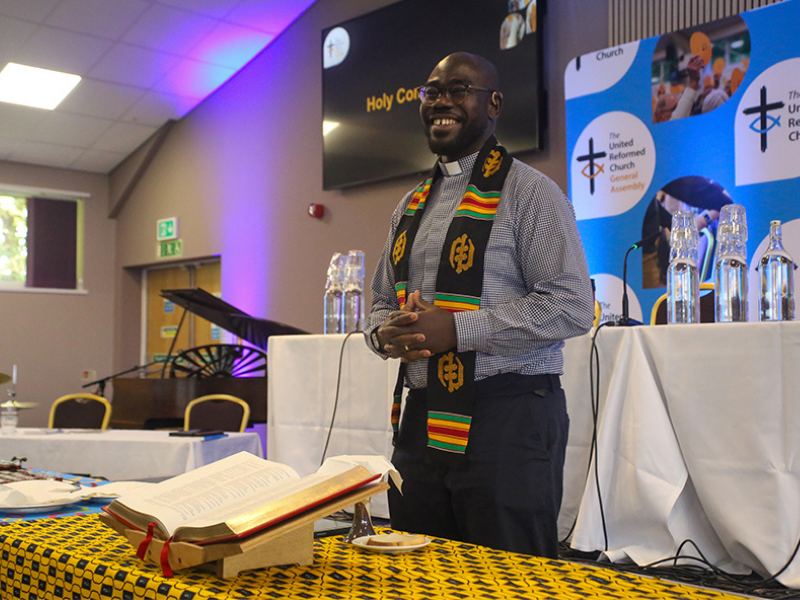
Each of these communities reminds me that God has made us fearfully and wonderfully, uniquely ourselves. I believe deeply in unity, not uniformity. Honouring our communities means creating spaces where people do not have to leave parts of themselves at the door, but are welcomed, valued and encouraged to bring their whole selves.
Some of the moments I treasure most in ministry can seem small: a child running up for a high-five; children at holiday club singing worship songs with gusto; a toddler finding freedom in a church hall while a parent finds friendship; walking and praying alongside someone through a difficult season; or, sometimes, awarding an enthusiastic 10,000 points!
These moments matter because I believe God is already at work. We join in, plant seeds of faith and point people to Jesus. I may never see all the fruit, but I trust the Lord of the harvest.
Black History Month invites the URC to look honestly at itself. Honouring Global Majority people must mean more than celebrating our presence. Here in Reading, the Windrush generation is commemorated through public art and even a roundabout bearing its name. Such recognition matters. But commemoration is not the same as honour.
Being welcomed into the room is not the same as being honoured once you are there.
Do we remain curious enough to know the actual person before us, or retreat into assumptions, stereotypes, convenience or disengagement? Paul does not merely tell us that every part of Christ’s body belongs; he says that those parts considered less honourable should receive greater honour (1 Corinthians 12:22–26). That takes us beyond diversity towards how the Body of Christ actually, treats its members.
We cannot truly honour God while failing to recognise and honour the people within our communities. Our worship of God and our treatment of one another cannot be separated; Scripture repeatedly reminds us that the way we receive, value and honour people reveals something of the reality of our love for God.
So, may we prayerfully and prophetically act justly, love mercy and walk humbly with our God.
Alvin
In this reflection, Alvin Mark Ruban Ponnudurai, Northern Synod Representative to the National URC Youth Executive Committee who also serves as Youth Apostle at St James’s URC in Newcastle upon Tyne, reflects on the difference between welcoming and allowing people from a variety of backgrounds to truly express and use their talents and gifts:
I grew up in India as a Christian (a religious minority), but in many other respects I recognise that I came from a relatively privileged background. Moving to the UK changed my perspective. For the first time, I found myself living among people from many nationalities, ethnicities and cultures while also experiencing what it means to be a visible minority myself.
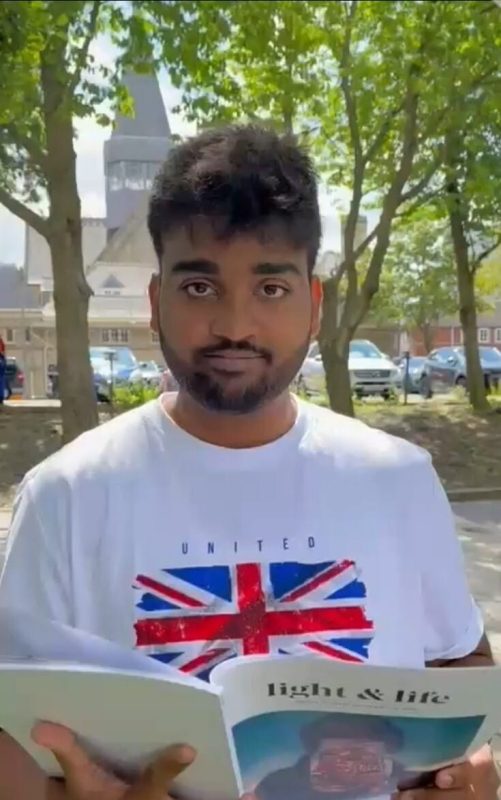
My journey within the United Reformed Church has given me communities where I have been welcomed, trusted and given opportunities to contribute. Yet it also made me ask a question: is welcoming people from different cultures the same as allowing those cultures to shape the Church?
I began asking this through worship. Our congregations can be wonderfully multicultural, yet our worship can still largely follow one cultural expression. There is nothing wrong with that tradition — I have grown to love much of it — but genuine inclusion can go further. Different communities bring different ways of praying, singing, celebrating and encountering God.
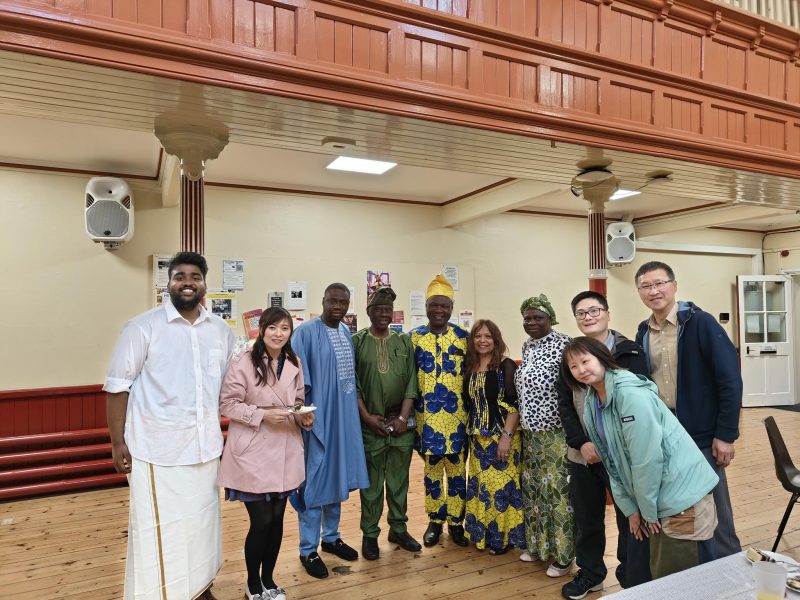
That question helped inspire our “multicultural worship” initiative at St James’s URC in Newcastle. We brought people together across cultural backgrounds and incorporated different languages and traditions into worship. Through the stories of Babel and Pentecost, we reflected not on removing our differences, but on how God can speak through them.
What encouraged me most was seeing that the conversation did not finish when the service ended. It has opened conversations about how multicultural worship might develop further, even across the wider URC. As the URC becomes increasingly diverse, I believe our worship should not merely reflect that diversity in who is present, but embrace the gifts, voices and worship traditions those communities bring. Multicultural worship could therefore be an important part of our future together.
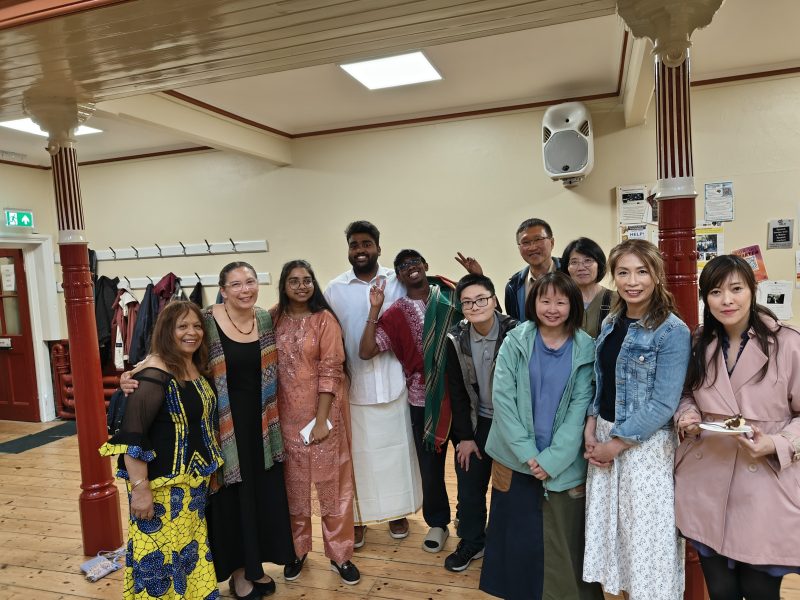
For me, honouring our communities means more than inviting everyone into a space that already exists. It means allowing what each community brings to enrich and reshape that space.
We must remember histories of exclusion and injustice. But honouring those histories should also move us towards the future: asking not simply who is welcomed into our Church, but what kind of Church can we build together?