

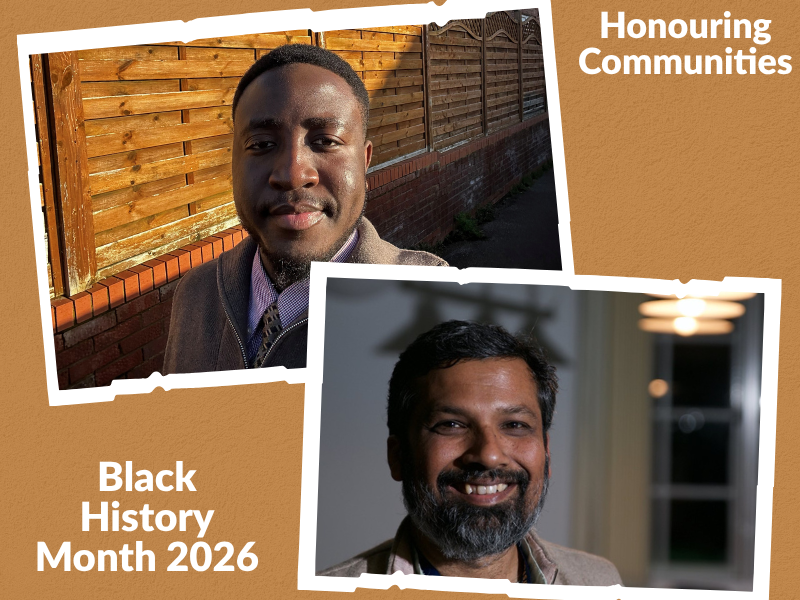
For Black History Month 2026, a variety of Global Majority United Reformed Church ministers, members and staff share their personal perspectives around this year’s theme, “Honouring Communities”.
In this reflection, Stanslous Chatikobo Jr, Youth Representative for Thames North Synod, and David Jonathan (known as Johny), a member of Newland URC and Director for both Luton Council of Faiths and Grassroots, a Christian ecumenical organisation, reflect on the theme:
Stanslous:
To me, the theme “honouring communities” means recognising where we come from, appreciating the people who have shaped us, and finding meaningful ways to give back to the communities around us.
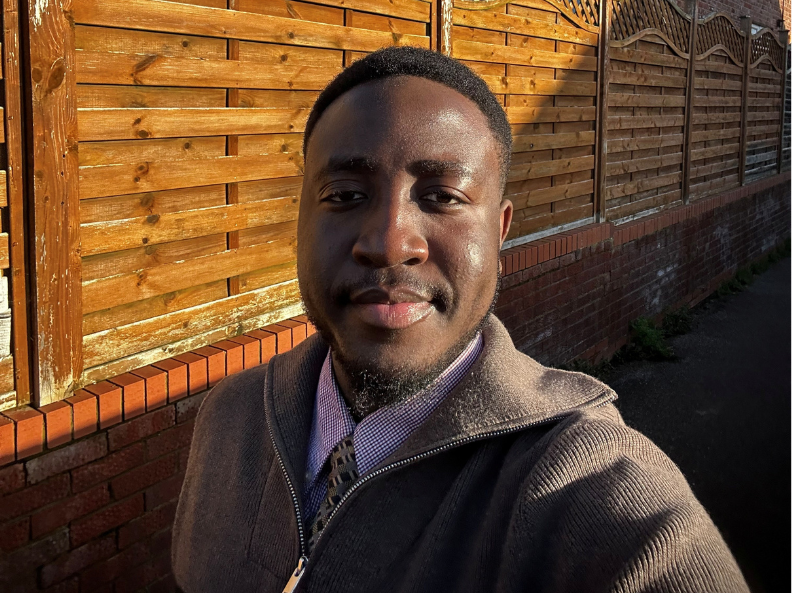
Being part of the United Reformed Church has opened up opportunities that enable me to contribute to my local church and the wider URC, particularly through my involvement with young people. As a youth representative within Thames North Synod, I have been able to share my experiences and perspectives while also listening to others. I believe young people have an important voice in the Church, and I am proud to play a small part in making sure that voice is heard.
My background is also an important part of who I am. Coming from Zimbabwe and living in the UK has allowed me to experience different cultures and communities. My local church celebrates this diversity through an annual “international dinner”, where people come together to share food, stories and traditions from different parts of the world. As a Black person, I see this as a way of sharing a part of my culture with the rest of the world. I really value these occasions because they remind us that our differences can bring us together rather than divide us.
Every July, our church also contributes to a , which raises awareness and support for communities affected by hardship and injustice around the world. This includes supporting Black communities in countries such as Jamaica, Sudan and Zimbabwe, among others. Participating in this initiative reminds me that our responsibility to our communities does not stop at our local area. We are connected to people across the world, and when one community is struggling, others can choose to stand alongside them.
For me, community is about people looking out for one another, creating opportunities, and making sure nobody feels forgotten or excluded. Whether through youth involvement, sharing our cultures, fundraising, or simply being present for someone, small contributions can make a meaningful difference.
Black History Month gives me an opportunity not only to celebrate Black history, but also to celebrate the communities that continue to shape our present and our future. I am grateful for the communities that have welcomed me, and I hope to continue contributing to them in ways that make others feel valued, represented and at home.
Image: Stanslous Chatikobo Jr.
Johny:
One simple phrase comes to mind when I think of this year’s BHM theme, Honouring Our Communities: we stand on the shoulders of giants.
For 25 years, through my work with Grassroots in Luton, I have seen communities built, not by grand gestures but by ordinary people doing extraordinary things. Communities flourish when people choose to stand together in solidarity with one another.
Luton is often described as a super-diverse town. I prefer to think of it as a place where people’s experiences and stories of hope intersect.
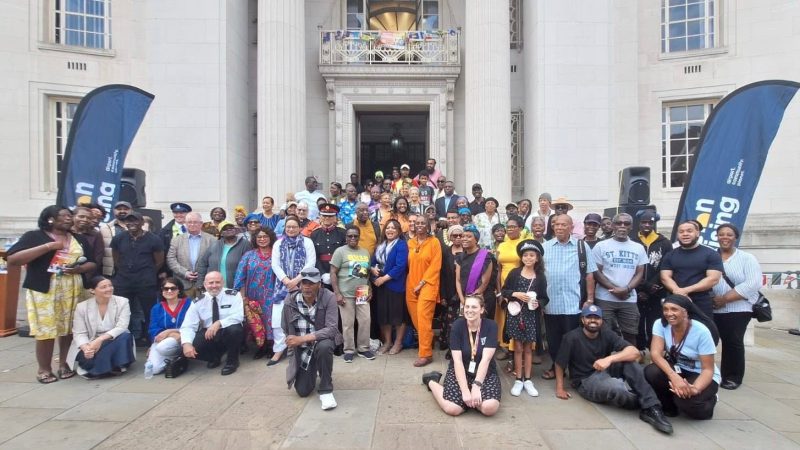
One of the most inspiring examples is the annual Windrush celebrations in our town, which were piloted and pioneered in 2018 by Church Related Community Worker Karen Campbell, now the Head of Global & Intercultural Church. Since then, I have listened to many stories of the Windrush generation who helped rebuild Britain while facing prejudice and discrimination. Despite enduring racism, they persevered with dignity and resilience and their legacy lives on in our schools, churches, businesses, transport networks, public services, healthcare, culture and sport.
I am moved by a Luton-based Sikh professor’s story of growing up in Wolverhampton, where he says Caribbean neighbours supported and taught him values of faith, education, hospitality and resilience. It is a powerful reminder that communities are often built around dining tables, living rooms and places of worship before they are reflected in boardrooms or council chambers.
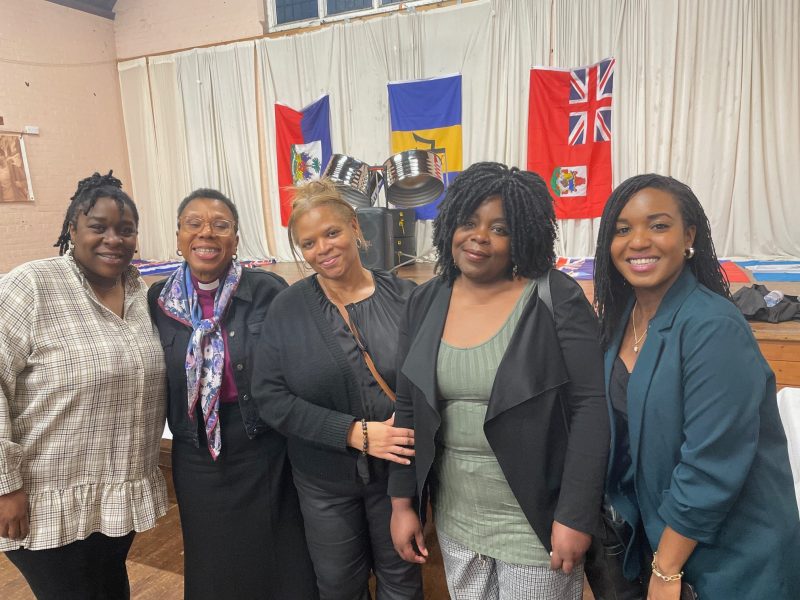
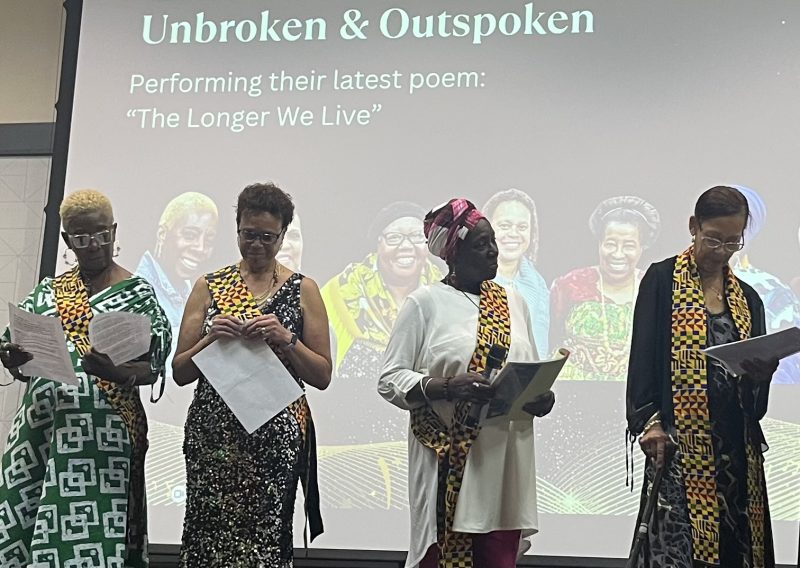
At another Windrush event, a group of Black women poets described elder Black women as “Superheroes… saving the world in slow motion.” I can think of the countless Black women who have quietly held families together, mentored young people, supported churches, cared for neighbours and volunteered across our town without expecting recognition.
I have also been inspired by younger generations. A young Luton activist Mariam Daniel, whose father Jamaluddin Daniel came from the Windrush generation, declared, “We must recognise our right to be here, because this is our Britain too.”
Another young community leader’s message resonated with me deeply when he said, “We have a reason for being here. Let us continue to turn our pain into purpose of working for the common good.”
Following George Floyd’s murder and the global Black Lives Matter movement, I have facilitated and contributed to many difficult but important discussions with Luton faith leaders, council representatives and community organisations about race, identity, belonging, opportunity, and systemic inequalities.
One positive outcome of this work has been that Luton Council passed a Black Lives Matter Motion and launched the Fairness Taskforce, both of which seek to examine disparities and create opportunities for more fairness, representation and equity across our communities.
Over the years I have also learnt important lessons from faith leaders.
Speaking about Windrush and racial justice, during Black History Month, the Church of England’s Bishop Richard Atkinson described three important lessons: lamentation, longing and learning. We must lament the injustices of the past, long for a better future and learn how to create it together.
Similarly, Dave Middlebrook, the Archdeacon of Bedford, reflected that Britain continually needs to learn what it means to become, “a truly equal, multi-cultural, multi-racial society”. These words challenge us now at a time when racism, populism, and nationalism is all time high.
As Christians, we believe every person is created in the image of God. That belief reminds me that diversity is not a problem to solve but a gift to celebrate.
One of my favourite observations came from Rev Dr Inderjit Bhogal, former President of the Methodist Church, who at a Luton event reminded that, “Diversity is even more diverse now … We are called to be one but not the same”. This beautifully describes our work in Luton, which is to help people discover that our shared humanity is greater than our differences.
So, when I think about honouring our communities, I think of Windrush pioneers, and all those who paved the way, those continuing the work today, and those who are daring to carry the light into the future, which may appear to us dark at times, but we know that darkness can never overcome the light. (John 1:5).
Images: David Jonathan.