

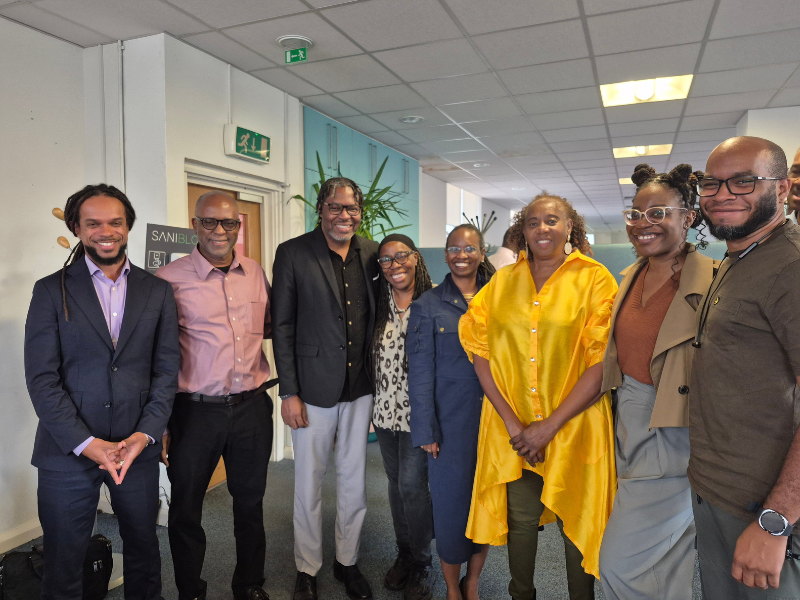
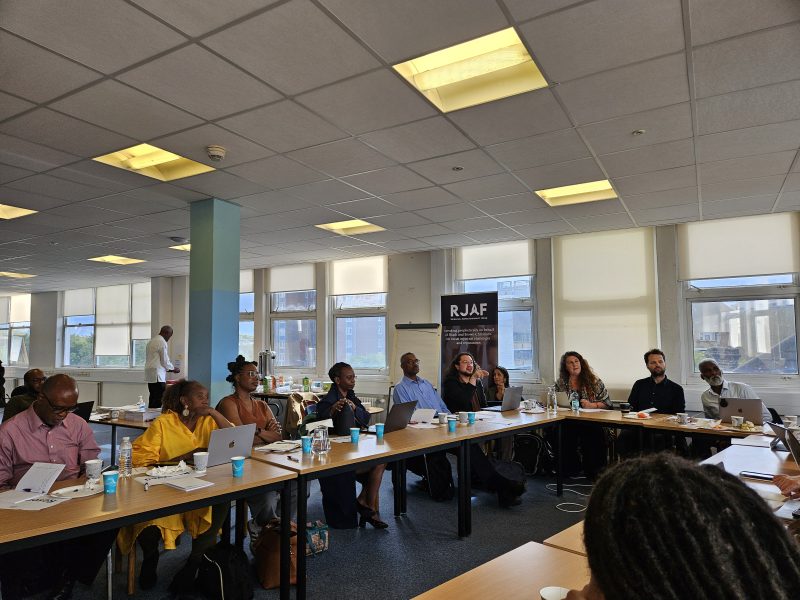
Karen Campbell, Head of Global & Intercultural Church, represented the United Reformed Church (URC) at a roundtable meeting in London on 9 September, organised by the Racial Justice Advocacy Forum (RJAF) to consider the issue of transatlantic slavery and its ongoing legacies today.
The international meeting included ministers, academics, lawyers and politicians, alongside British churches and mission agencies, to discuss reparation work — steps being taken by organisations to take accountability for their antecedent bodies’ involvement in the transatlantic trafficking of enslaved Africans, and proposals to address the ongoing impacts of the legacies of slavery — on both sides of the Atlantic.
The meeting followed an unprecedented step taken by the Jamaican delegation — led by the Hon Olivia “Babsy” Grange, Jamaica’s Minister for Culture, Gender, Entertainment and Sport — which formally lodged a petition with King Charles at Buckingham Palace on 7 September.
The petition asks the King, as Jamaica’s head of state, to refer three questions about the legality of the transatlantic trade in enslaved people to the Privy Council and to consider whether the UK has an obligation to provide a remedy to Jamaica. The petition has the backing of the Caribbean Community (CARICOM).
The URC has been on a long journey of examining the links of its antecedent bodies’ involvement in the transatlantic trafficking of enslaved African people, and recognising its failure to address the continuing legacies of racism and racial injustice today. In 2022, the denomination formally confessed its involvement and publicly apologised, and in 2024, representatives led by then General Assembly Moderator, the Revd Dr Tessa Henry-Robinson, formally delivered the apology in Jamaica. Minister Grange accepted the apology on behalf of the Jamaican government.
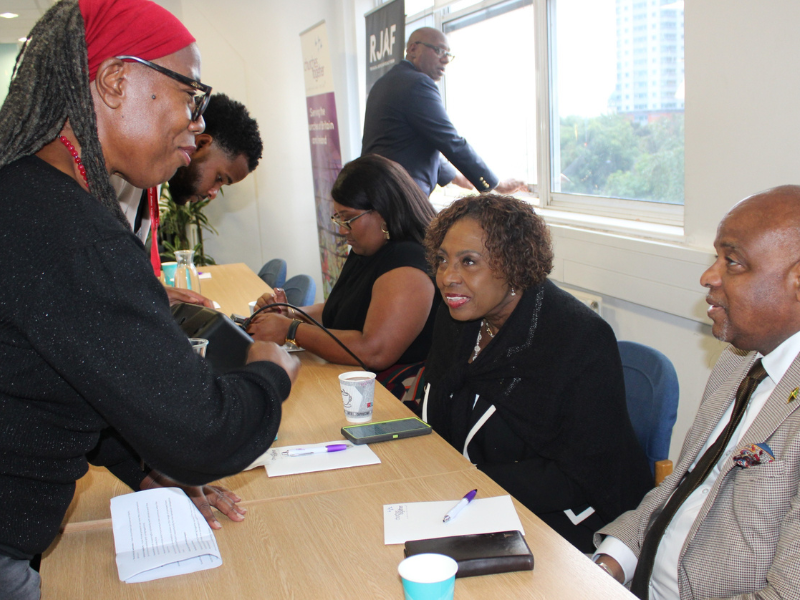
At the RJAF meeting in London, the Revd Dr Gordon Cowans of the Churches’ Reparations Action Forum in Jamaica, reminded the group that: “As someone living on the site of these crimes, these apologies do matter, and will continue to matter.”
But he stressed the importance of “demonstrating the fruits of this repentance.”
Participants shared the steps their respective organisations are taking towards reparations or apologies.
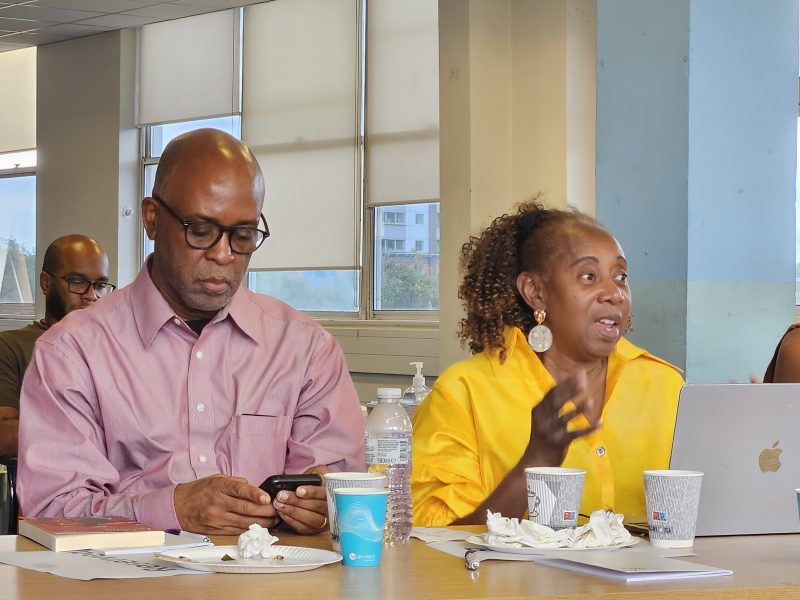
The gathering heard that Buckingham Palace has been working closely with the Governor General of Jamaica, the King’s representative on the island who is appointed on the advice of the Jamaican government, to ensure the petition is “properly lodged.”
As to what the next steps for the country may now be, Laleta Davis-Mattis, Co-Chair of Jamaica’s National Council on Reparations, said these will be determined once answers or a response to the petition is received.
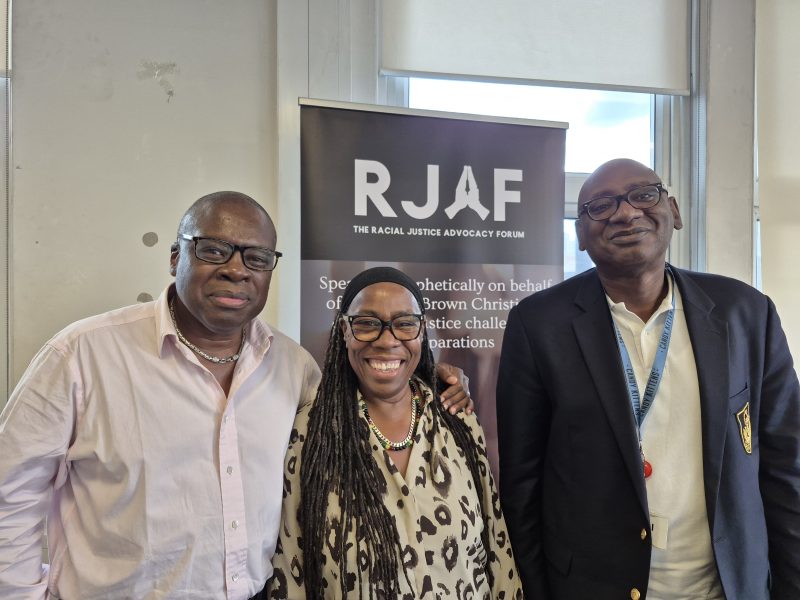
“No matter what the response,” Karen said, “the people committed to reparations cannot simply stop.”
She added, “I’m quite excited by what I’ve heard at this meeting. It’s good to know that what the URC has been doing is where other people are now heading.”