

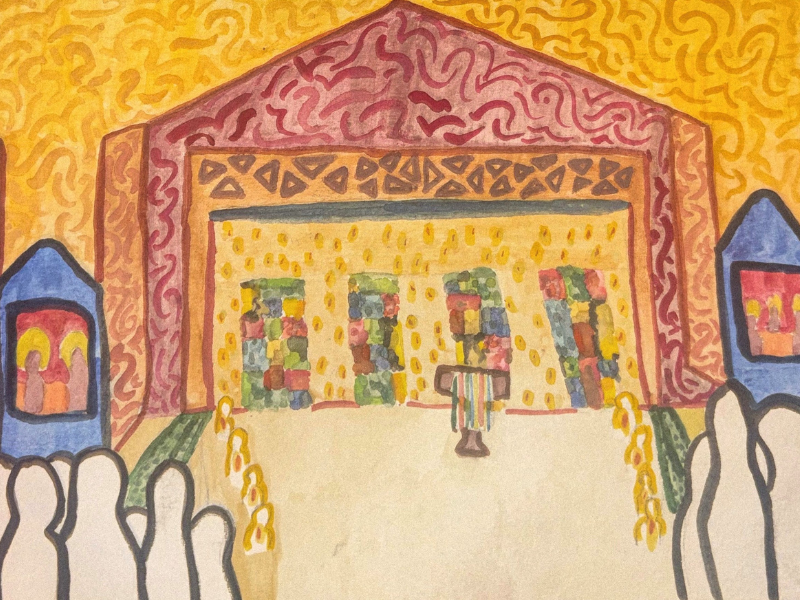
A group of young adults from across the United Reformed Church discovered a sense of peace at the monastic community of Taizé this summer – together with 3,000 others.
With summer temperatures still at their most blistering, the Revd Ruth Maxey led a visit of eleven 18-29-year-olds to the rural village in central France. Here, mainly young people camp and share communal living, joining the monastic brothers from both Catholic and Protestant traditions who organise their lives around a daily rhythm of prayer.
“It’s hard to believe there are so many denominations in Christianity,” commented Julia Seal, one group member, who described the numbers and diversity of those present, mainly from continental Europe, as “completely bonkers!”
Yet any sense of overwhelm was more than outweighed by the way Taizé “breaks down barriers”, and the realisation that “God is in all sorts of places”. “By building relationships and friendships,” Julia says, “you can find joy in God, and this can be shared with others – and in that way God is shared.”
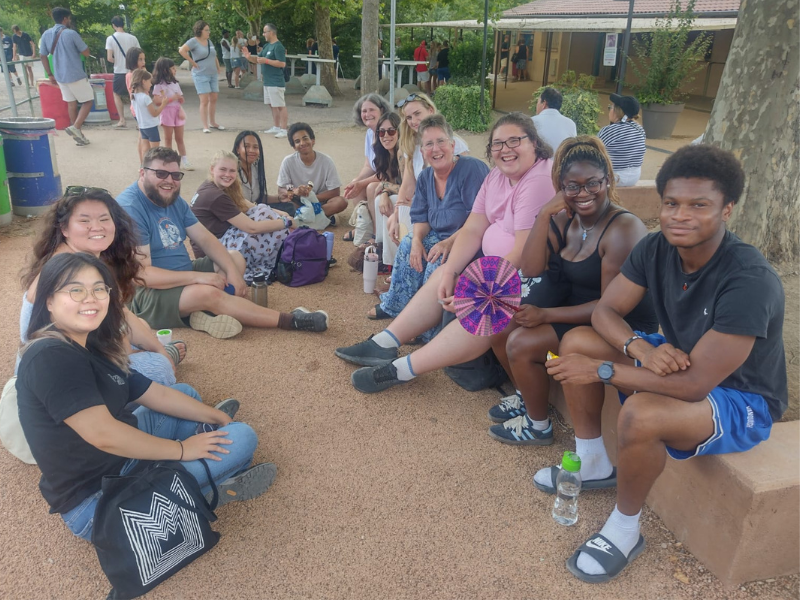
Ruth, who has been visiting Taizé since she herself was in her twenties, believes Taizé is “one of the few places that has maintained its ability to be a space primarily for young people”. Over-35s, including group leaders, are accommodated separately from the young people, who eat together and have their own Bible studies and discussion groups. “It means adults aren’t doing all the talking and are not guiding where the discussion goes.”
Taylor Hawkins was the only person from the UK in his group (“though we mostly spoke English”) and he found it interesting to hear what others were sharing from “different countries and spaces”. Though the URC contingent encountered views “they fundamentally disagree with”. Ruth observes that “maybe at Taizé we at least are able to meet face to face and share in person.”
That opportunity for personal interaction and a complete break from the pressures of social media is one of the reasons why, despite the sheer numbers and the long meal queues, Taylor found the trip “a really peaceful experience” – almost a retreat, which allowed him to reflect on his own faith life and sense of calling.
Emma Wong agrees. There were challenges, she says, including some of the chores, which everyone is assigned. But, as one of the brothers told her, “This is part of life”, and part of the realities we all return to. However, chores and discussion were also framed by gatherings for prayer at 8am, midday and in the evening – times characterised by the unique Taizé chants, sung in many languages, and by stillness. This is what so many people take away from their time at Taizé. Elaine Maire, one of the group leaders, describes it as “the simplicity of life during this week”, which created “an inner happiness and hope for the future”.
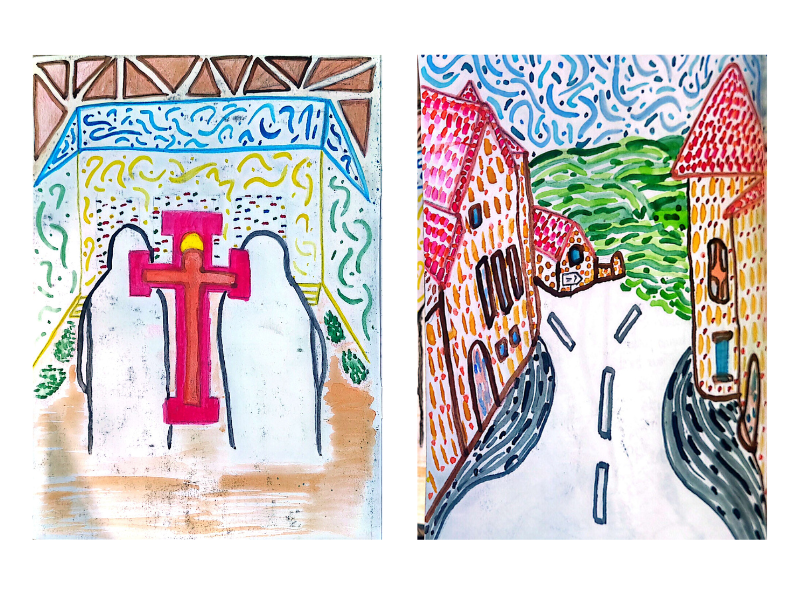
For Emma, Taizé offered “a good mental-health re-set”. She believes Taizé is a place where you can feel closer to God. “In this modern age, there’s not much opportunity to sit down and rest and find time for prayer, when our sole purpose is to connect with God.” Yet, as this group discovered, at Taizé such connection becomes a very real possibility.
Images: artwork by Julia Seal (main: worship space; insert: cross and Taizé village); photo: URC group