

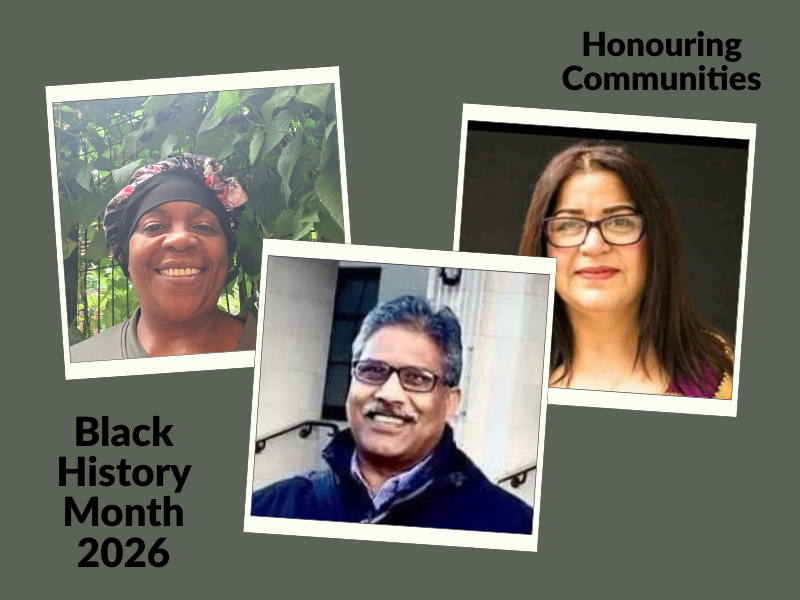
For Black History Month 2026, a variety of Global Majority United Reformed Church (URC) ministers and members share their personal perspectives around this year’s theme of “Honouring Communities”.
In this reflection, Fozia Aftab and Aftab Mughal*, Co-founders of the Community Harmony Project in Blackburn and members of Westbury Gardens URC in Blackburn, reflect on the importance of churches working for a just society, while the Revd Elaine Hutchinson, Birmingham City Centre Retail Chaplain, shares her thoughts about her community:
Fozia and Aftab
Listening to Black voices, taking action, and pursuing racial justice are part of the Church’s responsibility to promoting a just society in which no one is discriminated against because of their ethnicity, race, faith, gender, or other aspects of their identity.
Churches can use Black History Month as an opportunity to further explore how we can all challenge racism and promote racial justice.

Because of our, my wife Fozia and my own, lived experiences, we feel a strong connection with Black and other communities who face undue challenges linked to their identities. As Christians, we feel a great responsibility to raise our voice for justice and equality for people who face multiple barriers because of their ethnicity or the colour of their skins. Too often, people from minoritised communities are not given opportunities to take on leadership roles. Even organisations established to support them can sometimes see them primarily as ‘service users’ or ‘clients’ rather than as equal human beings.
It is for these reasons that, in 2023, we started the Community Harmony Project in Blackburn to provide a safe and welcoming space for people to socialise and develop friendships. The project also supports people to build confidence, improve their English language skills and take on leadership roles, as these opportunities are important for building a more inclusive, equal and harmonious society. We are blessed that our home church, Westbury Gardens URC, has been very supportive of our work.
Black History Month gives all our churches an opportunity to reflect on the inequalities that still exist — sometimes even within the churches themselves. As Christians, we believe that every person is created in the image of God and deserves to be treated with dignity, respect and equality. Black History Month is, therefore, not only a time to celebrate history and achievements – it is also an opportunity to listen, learn, challenge injustice and work together towards a more just and inclusive society.
*Aftab also serves as Director of Minority Concern (UK).
Elaine:
I have lived in my community for more than 25 years and have seen all sorts of changes — some good, and some not so much.
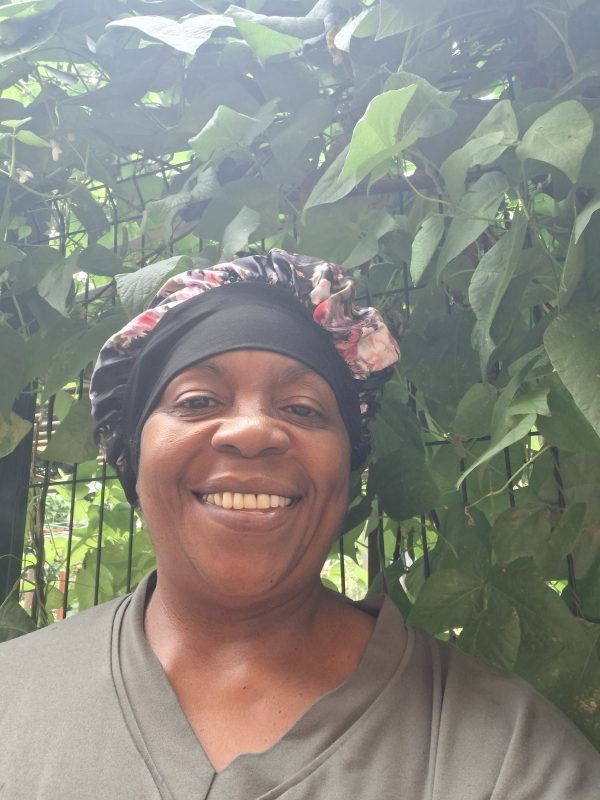
I live on a council estate, on the third floor of a maisonette in Perry Barr. The local community is diverse, culturally and ethnically. I live alongside Muslim neighbours; families with whom I have shared the privilege of watching their children and my own grow up, go to school, go off to university, become adults, marry, and become parents. I live next door to the daughter of one of the families, who is now married and has her own children. Remembering her when she was their age reminds me of how old I am! But it is a pleasure spending time with her children and watching her flourish into motherhood, sharing the same concerns and celebrations her mother and I did in the past.
My neighbour’s mother has since moved, but I still see her regularly. We reminisce about the times we sat and talked together about our motherhood concerns; the fact I am a Black Christian woman and she an Asian Muslim made no difference at all. This is community.
Recently, another neighbour lost their key to their house and was locked out. The whole community came together to try and help. We called other friends who we thought could assist. We sat and listened to the frustrations while waiting for ‘success’. And we celebrated when the door was eventually opened. This is community.
The lost key gave me opportunity to catch up with Luke, a member of the local community gardens. I was involved in the gardens’ conception about eight years ago. Supported by the housing officer and lottery funding, we wanted to find a way that the community could get to know each other. There are around eight members who currently share the gardens, and a waiting list of people wanting to come on board. Meeting Luke was such a blessing as he talked about his hopes for our community. Luke is a mentor and has moved back to the community with his girlfriend and son. He recognises the need for community cohesion, and the ways that working together removes the mindset of an individual as the ‘other’. In Luke’s words, “When we all benefit, it’s better”.
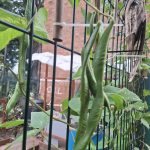
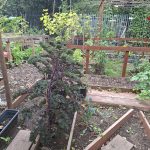
I am proud that the community gardens are still benefiting the people. Sadly, initiatives and dreams are not always shared or seen in the same way, and the community gardens are encountering difficulty and challenges. There is the potential for the gardens to close, which is hard for the present members to contemplate. The vision was for the gardens to bring this community together – but the threat to its future has created tension, conflict and difference. People in the neighbourhood are campaigning for the community gardens, and I have been invited to share in the ongoing conversations about the importance of that space.
After 25+ years, I still love living in Perry Barr and the unity which exists here. The hard, cold concrete steps I walk up to get home are nothing like the people who live here. Shared laughter and tears; the understanding that life happens to us all, no matter the ethnicity, colour, language or where we come from — this is one of the ways of honouring this community. Recognising that this is a place where blessings can be found. God can be encountered. Prayer can be offered … But so can a somas, hardough bread, and a gooseberry bush from a community garden. This is community.