

In a report based on its national survey of churches in the UK, the National Churches Trust (NCT) paints a mixed picture of the state of local church buildings and the fortunes of their congregations.
The survey, NCT’s first for 15 years, received responses from 3,628 churches, broadly representative of the UK in terms of denomination, attendance, building age and location.
Given that 64% of churches surveyed are pre-20th century buildings, it is unsurprising that roof repairs, guttering, drains and heating are high on the list of pressing concerns for many congregations. But the findings focus as much on church activities as on properties. NCT insists that churches “are not passive relics of the past; they are active, living places, powered by volunteers and sustained by the communities who depend on them”.
Nevertheless, though almost two-thirds (64%) of churches surveyed believed they “definitely will” or “probably” be used as a place of worship in five years’ time, one in 20 churches said they “definitely” or “probably” will no longer be in use.
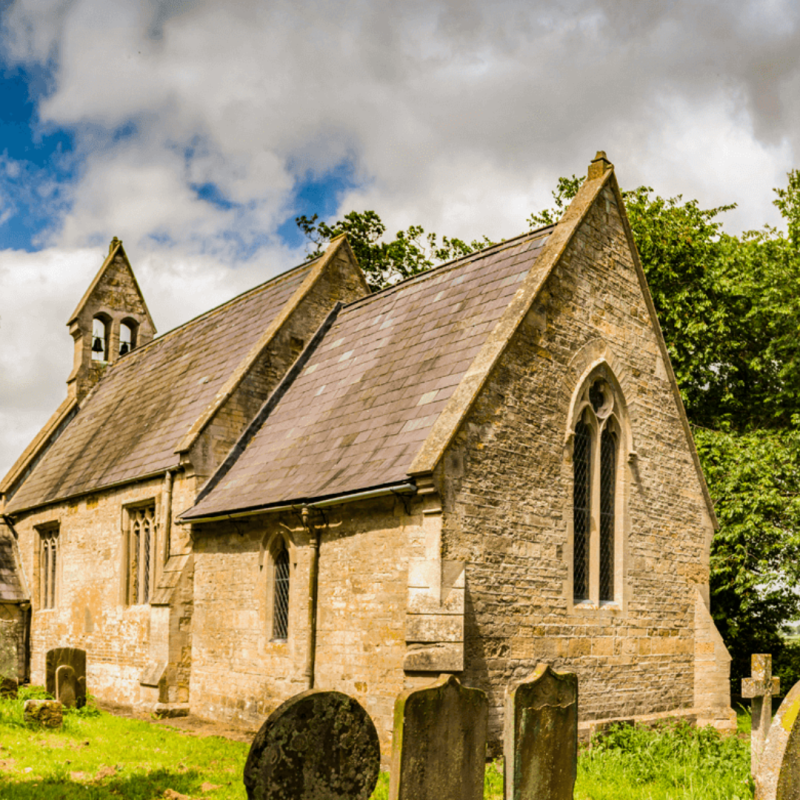
Positives are identified in the report, especially in the ways churches connect with their local communities. Over half of all churches are used by other organisations at least once per week, confirming their role as civic hubs. Fifty-six per cent of churches distribute food, and 85% say they would expand community support if they had more resources.
Resources are hard to come by, though. Sixty-two per cent of congregations require additional financial support, 39% say they could do more with better facilities, and 70% say they need more volunteers. The report says: “A lack of volunteer time … prevents churches from doing more in their community, with this factor rising sharply from 33% in 2010 to 45% in 2025.”
The National Churches Trust concludes that churches want to do more – “to expand cultural programmes, deepen social care and strengthen their environmental action”.
But without intervention, the risks are stark, the authors say: “If churches close, the impacts will multiply: a loss of heritage, a loss of social care, and a loss of spaces for solace and belonging. It would signal not only neglect of our cultural inheritance, but also a failure to care for communities at their most vulnerable.”
The full report and summaries can be read at www.nationalchurchestrust.org/survey