

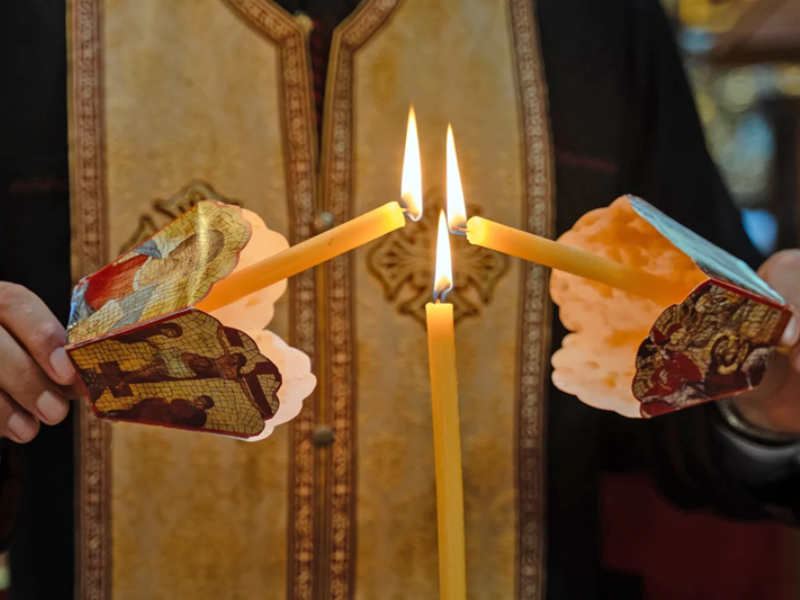
Ethnic cleansing and human rights abuses against the people of Armenia has been ignored by the international community, say the authors of resources prepared for this year’s Week of Prayer for Christian Unity (WPCU).
The week is traditionally observed 18 – 25 January. This year’s theme, “One Body, One Spirit”, is inspired by verses from St Paul’s letter to the Ephesians.
WPCU resources are prepared by different Churches each year. In 2026, the authors are members of the Armenian Apostolic Church, together with representatives of the Armenian Catholic and Evangelical Churches. They have drawn upon centuries-old traditions of prayer and petitions used by the Armenian people, along with hymns that originated in the ancient monasteries and churches of Armenia, some of which date back to the fourth century.
While they focus on the task of Christians to “delve more deeply into our fellowship in Christ, which unites Christians worldwide”, the writers also say the oppression of their own people has been forgotten.
They say the Armenian diaspora numbers “many times the population of the country itself”, and that the Armenian Church “brings together a truly global community that is present in Russia, Ukraine, and throughout the Middle East”. However, though Armenians are impacted directly by conflicts that dominate the news headlines, their own oppression and displacement by Azerbaijan has been largely neglected.
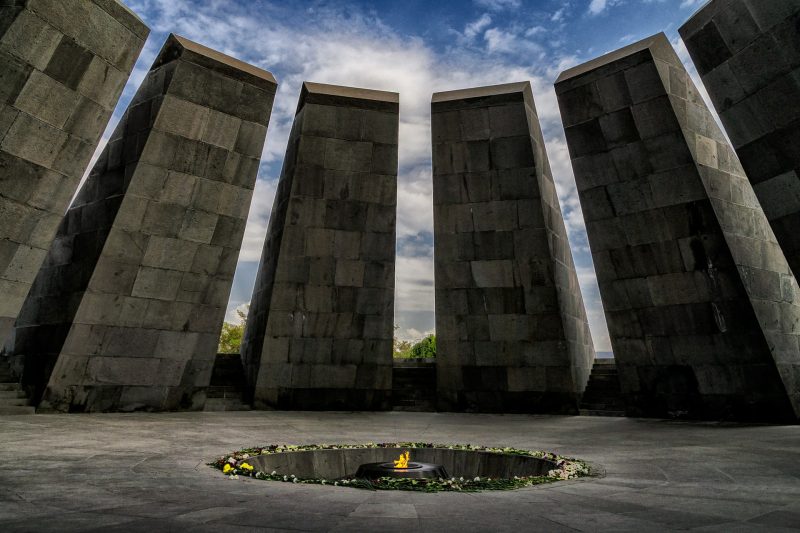
The authors write: “The ethnic cleansing and associated human rights abuses perpetrated against the Armenian people, especially in the ancient Armenian homeland of Artsakh, have been well documented by international human rights observers, yet the international community fails to act as lives are lost, families are displaced, people are unjustly imprisoned and cultural heritage is destroyed.”
As well as WPCU orders of worship, daily reflections are available that work their way through the verses of Ephesians 4. In addition, Christian Aid has provided “Go and Do action points” for each reflection. The resource offers an opportunity to share “a collective voice of the Church as an advocate for just peace in the world, not only for Armenians, but for all those suffering as a result of violence, displacement and persecution.”
The 2026 WPCU resources are available in English and other languages of the British Isles: https://bit.ly/ARM-WPCU2026
Image: The Armenian Genocide memorial complex on the hill of Tsitsernakaberd in Yerevan. By amir-kh | Unsplash[/vc_column_text][/vc_column][/vc_row]